

When we hear “plastic pollution,” we usually picture oceans full of trash. But something disturbing is happening far from the sea — and it should stop us in our tracks.
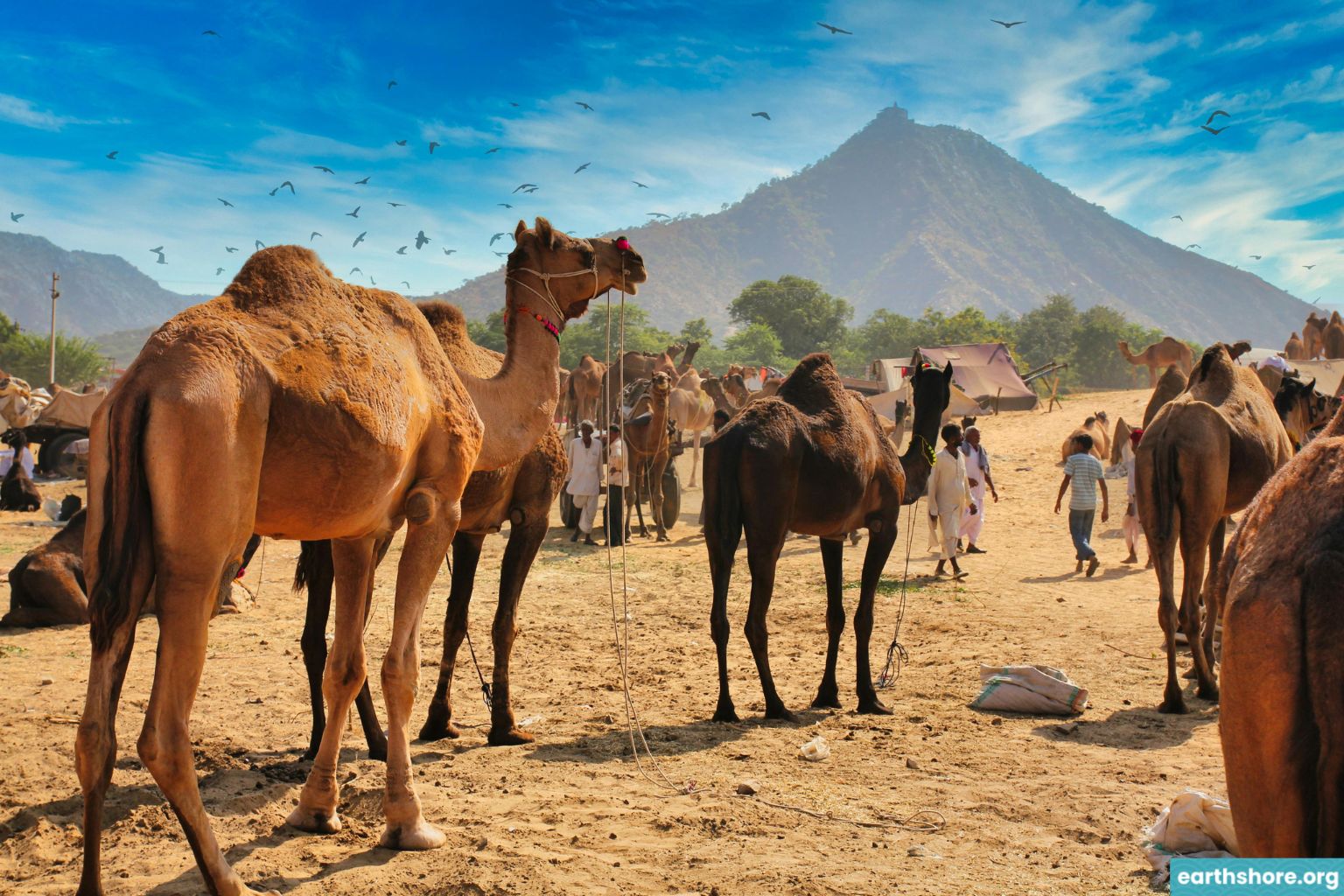
BUT – Scientists recently found huge clumps of plastic inside the stomachs of dead camels during autopsies. Some of the plastic masses were as big as a suitcase. These animals didn’t choke overnight — they suffered slowly for years.
Wernery, a veterinary microbiologist at Dubai’s Central Veterinary Research Laboratory, studied 30,000 dead camels — and discovered that around 300 of them had guts completely clogged with plastic.
This isn’t just shocking. It’s a warning.
The 3 Most Important Things to Know
- Land animals are dying from plastic — not just marine life
- Plastic pollution starts on land and ends up in the ocean
- Beach cleanups stop plastic before it becomes ocean pollution
What Did Scientists Find?
Environmental scientists and veterinary researchers studying camel deaths in the UAE made a disturbing discovery: large balls of plastic waste trapped inside camel stomachs. These plastic clumps, called polybezoars, can weigh several kilograms.
Camels mistake plastic bags and packaging for food. In the desert, if it’s not sand, it looks edible.
Once swallowed, plastic:
- Blocks digestion
- Cuts internal organs
- Creates toxic bacterial environments
One scientist described it as “a slow death.” And it’s now responsible for about 1% of camel deaths in the region.
This Is Not Just a Camel Problem
Camels are not alone.
- A bear in the United States died after plastic blocked its digestive system. Read: https://coloradosun.com/2023/09/13/cpw-euthanizes-telluride-bear-human-trash/
- Elephants in Sri Lanka have died from ingesting plastic waste
- Whales have washed ashore with stomachs full of trash
Plastic pollution is killing animals everywhere — on land and at sea.
Why This Matters for the Ocean
Here’s the key fact many people miss:
Over 80% of ocean plastic comes from land-based sources.
Plastic doesn’t magically appear in the ocean. It starts on streets, open land, beaches, and unmanaged waste areas. Wind, rain, and rivers carry it straight into the sea.
Every plastic bag eaten by a camel today is the same plastic bag that could have reached the ocean tomorrow.
This is why Earthshore focuses on beach cleanups.
Beaches are the last line of defense between land pollution and the ocean.
Why Beach Cleanups Actually Matter
Beach cleanups are not “symbolic.” They are preventive action.
By removing plastic before it:
- Breaks down into microplastics
- Enters marine ecosystems
- Enters the human food chain
…we are actively saving our ocean for our children.
Every cleanup stops plastic at the point where land pollution becomes ocean pollution.
Plastic Is a Human Problem — and a Human Choice
Some countries have started banning single-use plastics. That’s progress. But policy alone isn’t enough.
Real impact comes from:
- Reducing plastic use
- Choosing reusables
- Proper waste education
- Community action
Plastic doesn’t disappear when we throw it away. It shows up in animal stomachs, in oceans, and eventually — in us.
How Earthshore Is Responding
Earthshore exists to turn awareness into action.
Through consistent beach cleanups and education, we remove plastic before it causes irreversible harm. This is how we protect wildlife, coastal communities, and future generations.
The camels are a warning we cannot ignore.
If we want to keep saving our ocean for our children, action has to start now — on land.
Join Earthshore. Support beach & coastal cleanups. Reduce plastic. Be part of the solution.
Learn more: earthshore.org